
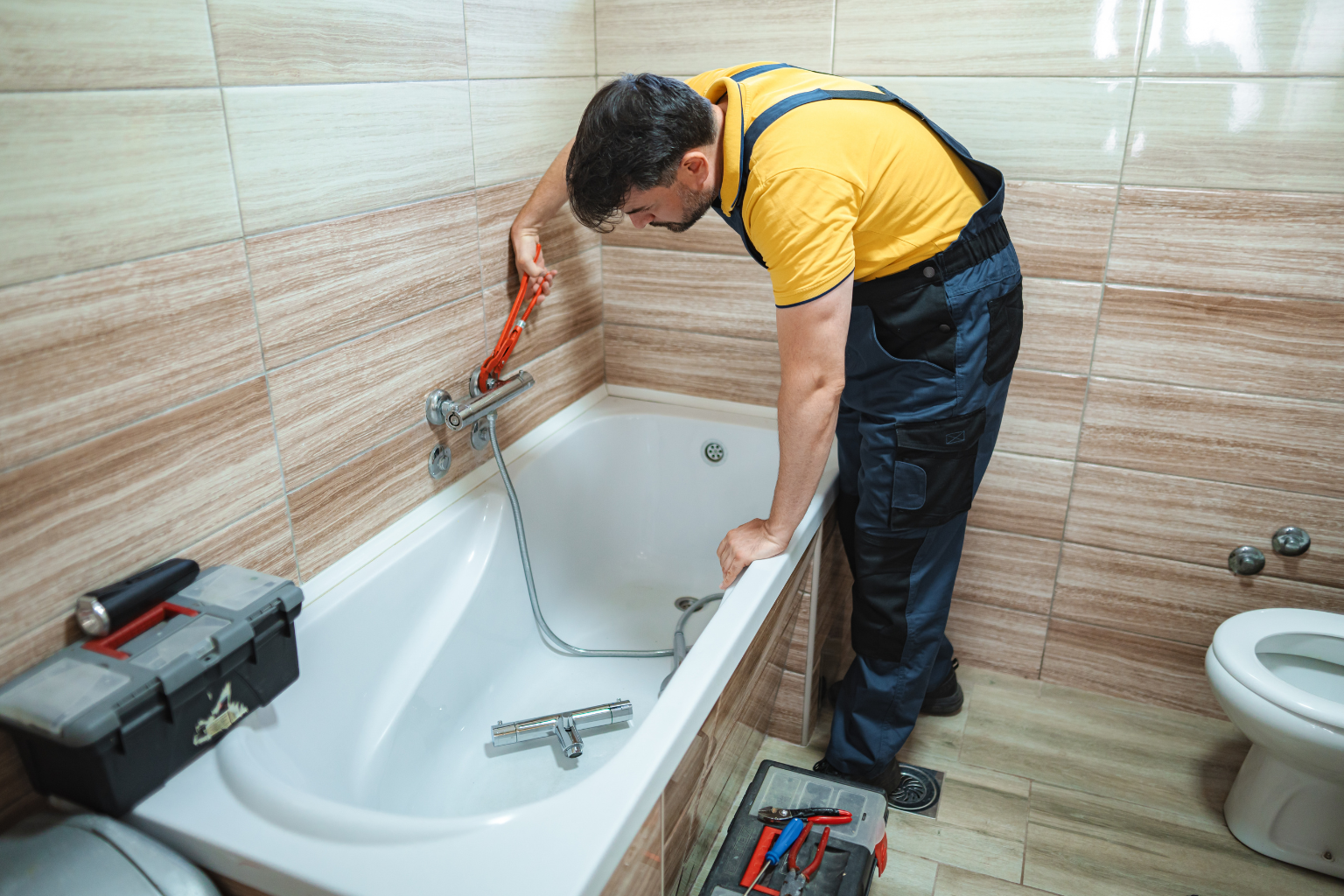

Bathtub Valve Failure: Signs, Risks, and When to Replace It
It starts small. A handle that takes a little more force to turn. A shower that never quite reaches the temperature you want. A drip you’ve been meaning to fix for the past few weekends, something you might even mention to bath fitters during a renovation quote.
Then one morning, you twist the handle and get blasted with scalding water, followed immediately by ice-cold water. You adjust. You wait. It never settles. And you step out already frustrated before your day has even begun.
That’s not a minor plumbing quirk. That’s your bathtub valve telling you it’s done.
Most Victoria homeowners put up with this longer than they should. While they do, water can slowly seep into wall cavities, mould can start forming behind tiles, and what could have been a simple fix turns into a costly repair. What begins as a worn-out component can quietly escalate into damage you never saw coming.
The bathtub valve controls every shower, every bath, every time water runs through your bathroom. It’s not something you see, but everything depends on it. Whether you’re planning a renovation or simply tired of an unreliable shower, this is one detail you can’t afford to overlook.
What Is a Bathtub Valve and What Does It Actually Do?
A bathtub valve is the internal mechanism that controls water flow, temperature, and pressure every time you turn on your tub or shower. It sits behind the wall, connected to your hot and cold water supply lines, and responds to how you position the handle or knobs on the outside.
There are several types you may encounter during bathroom plumbing renovations or repairs:
Pressure-balanced valves are the most common in residential homes. They help maintain a steady water temperature, even when pressure elsewhere changes, such as when a toilet is flushed. These anti-scald valves are now required by building codes in most Canadian provinces, including British Columbia, due to their safety benefits—especially for children and seniors.
Thermostatic mixing valves offer more precise control by allowing you to adjust temperature and water flow separately. They’re a popular upgrade for modern bathrooms, offering a more consistent, comfortable shower experience.
Diverter valves are used in tub-and-shower combinations. They direct water between the tub spout and the showerhead. If yours isn’t working properly, you may notice water flowing from both at the same time.
Understanding the type of valve you have, or need, can help you make the right decision for your bathroom plumbing.
4 Clear Signs Your Bathtub Valve Needs Attention
A failing valve rarely gives you any warning at all. Most homeowners notice the signs, but they just do not always connect them back to the valve itself.
Here is what to look out for:
1. Inconsistent Water Temperature
If your shower swings from hot to cold without you touching the handle, your pressure-balanced valve may be worn out or failing. This is not just uncomfortable; it is a code-compliance and safety concern, particularly in homes where seniors or children use the bathroom.
2. Leaking or Dripping at the Handle
A slow leak from your faucet handle is one of the most telling signs of a deteriorating valve cartridge or worn internal seals. Left unaddressed, that drip will eventually work its way behind the wall, creating water damage that costs far more to fix than a simple bathtub valve installation.
3. Reduced Water Pressure
If your shower used to feel powerful but now feels like a weak trickle, mineral deposits may partially block the valve, a common issue in Victoria’s water supply, or its internal components may be corroding and restricting flow.
4. Difficulty Turning the Handle
A valve that is stiff, grinding, or hard to operate is telling you it is worn out. Forcing it can cause it to break off entirely, leaving you with no water control. This is an urgent repair.
If you are facing any of these issues, seeking bathtub installation in Victoria or hiring a qualified shower plumber is a wise decision. Take action promptly.
Why Proper Bathtub Valve Installation Is Not a DIY Job
This is where many homeowners run into trouble. A quick search can make bathtub valve installation look simple, something you might assume is similar to calling shower plumbers in Victoria for a quick fix. Remove the handle, swap the cartridge, and you’re done. But once you open the wall, reality often looks very different.
Older homes in Victoria can hide outdated copper lines, non-standard fittings, or valves that are no longer manufactured. What seems like a straightforward repair can quickly turn into a complex plumbing issue.
Improper installation can lead to:
- Leaks behind walls that go unnoticed for months
- Installations that don’t meet BC plumbing code requirements
- Weak connections that fail under pressure and cause flooding
- Incorrect valve sizing that leads to ongoing water pressure issues
Beyond the technical side, the BC plumbing code requires proper anti-scald protection, which a licensed professional must often install. Working with a Red Seal Certified plumber isn’t just the safer choice; it’s often the right one to avoid costly mistakes down the line.
The Role of Valve Installation in Bathroom Plumbing Renovations
If you’re planning a bathroom renovation in Victoria, whether it’s new tile, a freestanding tub, or a walk-in shower, valve installation should be one of the first things on your list, not an afterthought. It happens behind the walls, before everything is finished, and getting it wrong can mean undoing completed work later.
- Installed early during the rough-in stage, before walls are closed
- Ensures compliance with current BC plumbing codes
- Helps choose the right valve for your new layout and fixtures
- Affects water pressure, temperature control, and overall performance
- Prevents costly rework, like removing tiles to fix hidden issues
A well-installed valve is what makes your entire bathroom setup work the way it should, from day one.
Bathtub Valve Issues and Your Broader Plumbing System
One thing that surprises many Victoria homeowners is how connected a single valve failure can be to the rest of the bathroom plumbing system. A leaking valve adds to your water consumption over time. Corroded supply connections near the valve can affect water quality. And if the valve is located in an area where moisture accumulates, you may eventually be dealing with a clogged drain, mould near the fixtures, and reduced structural integrity in the surrounding walls, all traceable back to one neglected fitting.
This is why addressing valve concerns promptly, rather than waiting until they force your hand, protects your investment and keeps your bathroom plumbing service needs simple and manageable, rather than complex and expensive.
Common Bathroom Plumbing Services Victoria Homeowners Often Need Alongside Valve Work
While your plumber is addressing the valve, it is a smart time to flag any other concerns in the bathroom plumbing system. Issues that are commonly found alongside valve wear include:
- Slow or clogged shower and tub drains from years of hair and soap buildup
- Minor fixture leaks at the tub spout or showerhead connections
- Worn washers or corroded supply stops under the sink
- Toilet running issues or pressure irregularities in the water supply
A qualified plumber can assess all of this in a single visit, saving you the cost and inconvenience of multiple call-outs. If you have been dealing with any bathroom plumbing concern, from a stubborn clogged drain to a shower that never quite works properly, this is your opportunity to address it all at once.
Why Choose Impact Plumbing and Heating Ltd
Choosing the right plumbing company in Victoria isn’t just about fixing a problem; it’s about trusting professionals who bring the right expertise, certifications, and proven results to every job.
Certified & Highly Qualified Team
- Journeyman Red Seal Certification in Plumbing & Gas Fitting
- Licensed Gas Contractor
- Licensed Cross Connection Control Tester
- Certified CRD Backflow Equipment Tester and Installer
With these industry-recognized credentials, you can feel confident knowing your project is handled by trained professionals who meet strict Canadian standards for safety and quality.
Proven Track Record You Can Trust
- 10,000+ projects successfully completed
- 1,000+ happy customers served
From residential repairs to complex system installations, our experience speaks for itself.
5-Star Service, Every Time
We take pride in delivering reliable, honest, and customer-focused service. Our 5-star reviews reflect our commitment to clear communication, quality workmanship, and getting the job done right the first time.
When you choose Impact Plumbing and Heating Ltd, you’re choosing certified expertise, dependable service, and a team that puts your comfort and safety first.
Take the First Step Before the Problem Takes Over
If your bathtub or shower is showing signs like temperature swings, pressure drops, or leaks, it’s best not to wait for a full plumbing failure. What seems minor today can quickly turn into a much bigger issue, one that goes beyond what you’d typically call a plumber for a clogged toilet to fix.
Contact Impact Plumbing and Heating Ltd. today to book your valve inspection or installation. Our team of Red Seal Certified plumbers will assess your system, provide honest recommendations, and complete the job with transparent pricing and guaranteed workmanship. We don’t upsell; you’ll only get honest recommendations.
Call (778) 350-3535 to request your free quote.
Your bathroom plumbing should work for you, not against you. Let’s make sure it does.
FAQ
How much does a plumber charge to install a shower valve?
The cost can vary depending on how easy the valve is to access, the type of valve being installed, and the amount of labour involved. More complex jobs or those requiring wall work will cost more.
What plumbing is needed for a bathtub?
A bathtub requires hot and cold water supply lines, a drain system with an overflow, a trap to prevent sewer gases from entering, shut-off valves, and proper venting for smooth drainage.
Is it better to have a shower valve with stops or without stops?
A shower valve with stops is generally better because it allows water to be shut off at the valve during repairs, making maintenance easier and more convenient.
Which valves should never be used for flow control?
Gate valves should not be used for flow control, as they are designed to be either fully open or fully closed and can wear out if used to regulate flow.
How many hours to replace a shower valve?
The time required depends on accessibility and the condition of the existing plumbing. It is usually a straightforward job for a professional, but it can take longer if additional work is needed.
What is the lifespan of a shower valve?
A shower valve can last many years with proper use and maintenance, though factors like water quality and wear on internal parts can affect its longevity.
Is it safe to use a shower that hasn't been used in a long time?
Yes, but it’s best to run the water for a while first and check for any signs of leaks, odours, or buildup to ensure the system is clean and safe to use.